


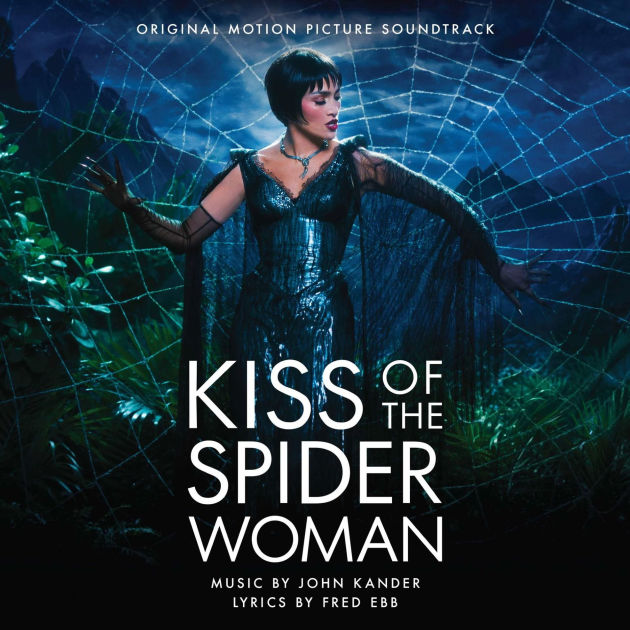
The Transcendence of Fantasy: A Comprehensive Review of Kiss of the Spider Woman
The cinematic history of Kiss of the Spider Woman is a rare tapestry of political defiance, queer identity, and the transformative power of storytelling. Based on the seminal 1976 novel by Manuel Puig, the story achieved global immortality through Héctor Babenco’s 1985 film adaptation—a landmark of independent cinema—and has since seen a resurgence through Bill Condon’s 2025 musical reimagining.
At its core, the narrative is an intimate chamber piece set against the brutal backdrop of a South American military dictatorship. It explores the unlikely bond between two men: Luis Molina, a flamboyant, cinema-obsessed window dresser, and Valentin Arregui, a stoic, dedicated Marxist revolutionary.
1985 Film Overview: A Landmark in Independent Cinema
The 1985 production remains the definitive version for many cinephiles, notable for being the first independent film to receive an Academy Award nomination for Best Picture.
Film Details
| Feature | Details |
| Director | Héctor Babenco |
| Release Date | July 26, 1985 |
| Screenplay | Leonard Schrader |
| Primary Cast | William Hurt, Raul Julia, Sonia Braga |
| Runtime | 120 Minutes |
| Genre | Drama / Thriller |
| Awards | Academy Award for Best Actor (William Hurt), Cannes Best Actor |
Full Plot Synopsis
Set within the damp, claustrophobic walls of a Brazilian prison, the story begins with Luis Molina (William Hurt) recounting the plot of a fictional Nazi-era propaganda film to his cellmate, Valentin Arregui (Raul Julia). Valentin, who has been brutally tortured for his revolutionary activities, initially views Molina’s obsession with “escapist” cinema as frivolous and ideologically hollow.
As the days turn into weeks, the dynamic shifts. Molina’s storytelling—specifically the tale of a glamorous cabaret singer named Leni Lamaison—serves as a psychological lifeline for Valentin, distracting him from his physical pain and the isolation of his political struggle.
However, the narrative reveals a dark undercurrent: the prison warden has promised Molina an early parole in exchange for information on Valentin’s revolutionary comrades. Molina is effectively a spy, yet as he cares for Valentin—cleaning him during bouts of illness and sharing food—a genuine, profound affection develops.
The climax occurs when Molina is released. He chooses to risk his life for Valentin’s cause, attempting to deliver a message to the revolutionaries. In a tragic turn, he is intercepted by the secret police and killed. Back in the prison, a dying, tortured Valentin drifts into a morphine-induced dream, finally embracing the very fantasy he once despised, envisioning himself escaping to a tropical paradise with his lost love.
Detailed Critique: Analysis and Themes
The Duality of Escapism and Reality
The film’s greatest strength is its exploration of escapism. Molina uses the “Spider Woman”—a recurring motif of a woman trapped in her own web—as a metaphor for his own identity and confinement. Through the “film-within-a-film” technique, Babenco contrasts the gritty, desaturated reality of the prison with the sepia-toned, melodramatic world of Molina’s imagination.
Performance and Characterization
William Hurt delivered a career-defining performance as Molina. Avoiding the caricatures often associated with queer roles in the 1980s, Hurt imbued Molina with a “steely vulnerability.” His Oscar win was a watershed moment for LGBTQ+ representation in Hollywood. Raul Julia provided a brilliant counterpoint; his transition from a rigid ideologue to a man capable of emotional intimacy is the heart of the film’s second half.
Visual and Sound Direction
The cinematography by Rodolfo Sánchez emphasizes the narrowness of the cell, making the rare outdoor sequences feel both vast and threatening. The sound design is minimalist, focusing on the echoes of the prison halls, which heightens the impact of Molina’s soft, narrating voice—the only source of “music” for much of the film.
Strengths and Weaknesses
Strengths
-
Narrative Layers: The meta-storytelling creates a profound dialogue about why we consume art.
-
Chemistry: The evolving respect between Julia and Hurt is masterfully paced.
-
Political Nuance: It refuses to romanticize either the revolutionary or the state, focusing instead on the human cost of both.
Weaknesses
-
Pacing: Some viewers may find the long stretches of dialogue-heavy cell scenes “stagey.”
-
Propaganda Segments: The length of the Nazi film retellings can occasionally distance the audience from the primary emotional arc.
The 2025 Reimagining: A New Perspective
In 2025, director Bill Condon (known for Chicago and Dreamgirls) adapted the stage musical version for the screen. Starring Diego Luna as Valentin, Tonatiuh as Molina, and Jennifer Lopez as the titular Spider Woman, this version leans into the “razzle-dazzle” of Broadway to illustrate Molina’s internal world.
While the 1985 version used film noir aesthetics, the 2025 film utilizes high-octane musical numbers to represent the escape from fascist oppression. It offers a more explicit exploration of Molina’s gender identity, aligning with contemporary understandings of gender fluidity.
Final Verdict
Kiss of the Spider Woman remains a haunting masterpiece. Whether in its 1985 dramatic form or its 2025 musical iteration, it serves as a reminder that the mind can never truly be imprisoned. It is a story that proves empathy is the most radical form of revolution.
Rating: 4.5 / 5 Stars