


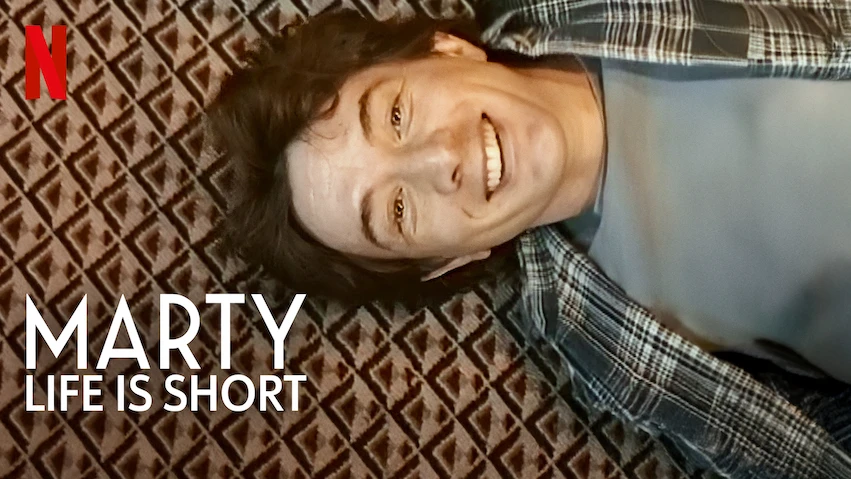
Marty, Life Is Short (2026) Review – Martin Short’s Emotional Netflix Documentary Celebrates Comedy, Loss, and Legacy
Martin Short’s Most Personal Documentary Yet Arrives on Netflix
Few entertainers have maintained the warmth, wit, and enduring charm of Martin Short. For decades, the Canadian-born comedian has been one of Hollywood’s most beloved performers, balancing absurd comedy with remarkable emotional intelligence. Marty, Life Is Short (2026), directed by acclaimed filmmaker Lawrence Kasdan, offers an intimate and deeply reflective portrait of the comedy icon’s extraordinary life and career.
Premiering on Netflix on May 12, 2026, the documentary blends archival footage, celebrity interviews, behind-the-scenes material, and personal reflections to explore both Martin Short’s comedic genius and the tragedies that shaped him. Rather than functioning as a conventional celebrity documentary, the film becomes a moving meditation on resilience, grief, creativity, and friendship.
For longtime fans of Short’s work in SCTV, Saturday Night Live, Only Murders in the Building, and countless film performances, Marty, Life Is Short is both nostalgic and surprisingly emotional.
Marty, Life Is Short (2026) Movie Overview
| Category | Details |
|---|---|
| Title | Marty, Life Is Short |
| Release Year | 2026 |
| Genre | Documentary, Biography |
| Director | Lawrence Kasdan |
| Runtime | 99 Minutes |
| Streaming Platform | Netflix |
| Main Subject | Martin Short |
| Featured Appearances | Steve Martin, Tom Hanks, Eugene Levy, Andrea Martin, Conan O’Brien |
| Release Date | May 12, 2026 |
Plot Synopsis
Marty, Life Is Short chronicles Martin Short’s life from his early years in Canada to his rise as one of comedy’s most versatile entertainers. The documentary moves through multiple phases of his career, including his beginnings in Toronto’s improv scene, his breakout success on SCTV, his memorable tenure on Saturday Night Live, and his transition into Hollywood films and Broadway productions.
The documentary also highlights the collaborative relationships that defined his career. Interviews with longtime friends and colleagues such as Steve Martin, Eugene Levy, Tom Hanks, Andrea Martin, and Conan O’Brien reveal how Short became respected not only for his comedic timing but also for his generosity and humanity behind the scenes.
What separates the film from a traditional retrospective is its willingness to confront personal tragedy. The documentary openly addresses the deaths of Martin Short’s loved ones, including his wife Nancy Dolman and several family members who passed away throughout his life. Rather than exploiting these losses for dramatic effect, the film presents them as central experiences that shaped his perspective on humor and survival.
The emotional core of the documentary lies in Short’s belief that comedy can coexist with pain. Throughout the film, he reflects on how laughter became both a profession and a coping mechanism. The result is a documentary that feels deeply human while still maintaining the infectious energy that has defined Short’s public persona for decades.
Lawrence Kasdan’s Direction Brings Warmth and Emotional Depth
Director Lawrence Kasdan approaches the documentary with unusual restraint and sincerity. Known primarily for narrative filmmaking, Kasdan avoids flashy documentary techniques in favor of patient storytelling and emotional authenticity.
The pacing allows Martin Short’s personality to dominate the screen naturally. Interviews are relaxed and conversational rather than heavily scripted, creating a sense of intimacy that makes the documentary feel personal instead of performative.
Kasdan’s greatest strength here is tonal balance. The film constantly shifts between hilarious comedy clips and emotionally vulnerable moments without ever feeling manipulative. One scene may feature absurd archival sketches from SCTV, while the next explores deeply personal reflections on grief and aging.
This balance prevents the documentary from becoming overly sentimental. Even during its heaviest moments, Short’s humor remains present, reinforcing the idea that comedy and sadness are not opposites but interconnected experiences.
Martin Short Delivers a Career-Defining Personal Reflection
Although Martin Short has spent decades entertaining audiences, Marty, Life Is Short may represent the most honest portrayal he has ever offered publicly.
The documentary reveals a performer who has always used comedy as a shield while simultaneously embracing vulnerability. Short discusses fame, family, aging, friendship, and loss with remarkable openness. Rather than carefully controlling his image, he allows the film to expose uncertainty, heartbreak, and loneliness alongside his professional triumphs.
This honesty transforms the documentary into something larger than celebrity nostalgia. Even viewers unfamiliar with every stage of his career can connect with the universal themes explored throughout the film.
Short’s storytelling abilities remain extraordinary. Whether describing early career struggles or sharing memories of performing with comedy legends, he remains effortlessly captivating. His natural charisma carries the documentary through quieter moments that might otherwise feel conventional.
Celebrity Interviews Add Heart Rather Than Distraction
Many celebrity documentaries become overwhelmed by talking-head interviews, but Marty, Life Is Short uses its supporting voices effectively.
Steve Martin emerges as one of the documentary’s emotional anchors. His reflections on friendship, aging, and creative partnership provide some of the film’s most touching moments. The chemistry between Martin and Short remains as strong as ever, reinforcing why their collaborations continue to resonate with audiences.
Eugene Levy and Andrea Martin also provide meaningful context about the Toronto comedy scene that helped launch Short’s career. Their interviews feel grounded in genuine affection rather than promotional obligation.
Tom Hanks, Conan O’Brien, and other featured personalities contribute humor and perspective without overwhelming the documentary’s central focus. Every appearance serves Martin Short’s story rather than distracting from it.
Archival Footage Gives the Documentary Real Emotional Power
One of the film’s strongest elements is its use of archival material. The documentary includes rare home videos, backstage footage, rehearsal clips, and unseen personal moments that deepen the emotional experience.
These sequences prevent the film from becoming a standard career recap. Instead, viewers witness Martin Short evolving across decades both professionally and personally.
The editing team skillfully juxtaposes younger footage with present-day reflections, emphasizing the passage of time and the endurance of relationships. Old comedy performances gain additional emotional meaning when viewed through the lens of aging and memory.
For fans of classic sketch comedy, the archival material alone makes the documentary worth watching.
Themes of Grief, Friendship, and Resilience
At its core, Marty, Life Is Short explores how people continue moving forward after profound loss.
The documentary repeatedly returns to the idea that joy and sorrow often coexist. Martin Short’s career is presented not as an escape from tragedy but as a response to it. Comedy becomes survival rather than distraction.
Friendship also plays a major role throughout the film. The documentary celebrates creative partnerships and lifelong companionships that sustained Short during difficult periods of his life. His relationship with Steve Martin, in particular, becomes symbolic of enduring emotional support within the entertainment industry.
Another major theme is legacy. As Short reflects on aging and mortality, the film quietly asks what performers leave behind beyond fame and applause. The answer, according to the documentary, lies in human connection rather than celebrity status.
Visual Style and Sound Design
Visually, Marty, Life Is Short maintains an elegant and understated style. The cinematography avoids excessive stylization, allowing the emotional content to remain central.
Warm lighting and intimate framing create a conversational atmosphere throughout the interviews. Archival footage is restored beautifully, preserving the texture of earlier eras without feeling artificially polished.
The soundtrack is subtle but effective, supporting emotional transitions without overwhelming scenes. Music choices reinforce the documentary’s reflective tone while occasionally enhancing comedic sequences.
Strengths of Marty, Life Is Short
Emotional Authenticity
The documentary succeeds because it feels sincere. Martin Short’s vulnerability gives the film genuine emotional weight.
Excellent Balance of Humor and Drama
The film never becomes excessively depressing despite dealing with heavy subject matter. Comedy remains present throughout.
Outstanding Archival Footage
Rare behind-the-scenes material and personal footage significantly strengthen the documentary’s emotional impact.
Strong Direction
Lawrence Kasdan brings restraint, warmth, and narrative clarity to the project.
Compelling Celebrity Interviews
Supporting interviews enhance the documentary rather than distracting from it.
Weaknesses of Marty, Life Is Short
Familiar Documentary Structure
While emotionally effective, the documentary occasionally follows a conventional celebrity-biography formula.
Limited Critical Examination
The film focuses primarily on celebration and emotional reflection rather than deeper analysis of Martin Short’s artistic evolution.
Some Pacing Issues
Certain sections linger longer than necessary, particularly during mid-film career retrospectives.
Final Verdict
Marty, Life Is Short is far more than a career retrospective. It is an emotionally intelligent exploration of grief, creativity, friendship, and perseverance from one of comedy’s most enduring performers.
Lawrence Kasdan’s thoughtful direction allows Martin Short to present himself with unusual honesty, resulting in a documentary that feels deeply personal without losing its entertainment value. Fans of Martin Short will appreciate the rare archival material and heartfelt interviews, while general audiences may discover an unexpectedly moving portrait of resilience and humanity.
In an era filled with formulaic celebrity documentaries, Marty, Life Is Short stands out because it understands that the most compelling stories are ultimately about people rather than fame.
For longtime admirers of Martin Short, this documentary feels like a celebration. For everyone else, it may become an introduction to one of comedy’s most quietly remarkable lives.