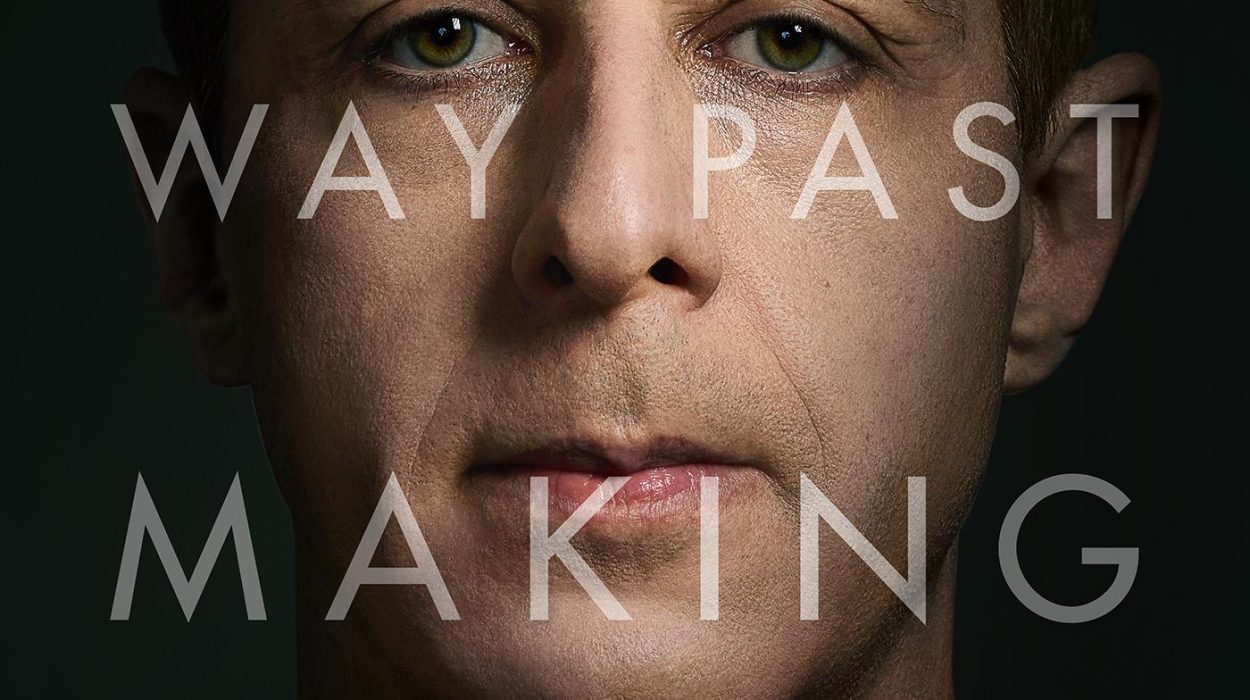
The Social Reckoning (2026): Cast, Plot, Release Date, and the True Story Behind Aaron Sorkin’s Facebook Drama
Film Preview | Drama, Biography, Thriller | Updated October 8, 2026
The Social Reckoning (2026) is an American biographical drama and political thriller written and directed by Aaron Sorkin, serving as a thematic follow-up to David Fincher’s acclaimed 2010 film The Social Network. Starring Mikey Madison, Jeremy Allen White, and Jeremy Strong, the movie explores the Facebook whistleblower scandal that exposed troubling questions about social media algorithms, corporate responsibility, misinformation, and public safety.
Set against the events surrounding the 2021 Facebook Files investigation, The Social Reckoning follows former Facebook employee Frances Haugen as she collaborates with The Wall Street Journal reporter Jeff Horwitz to reveal internal company documents.
Unlike The Social Network, which examined the origins of Facebook and the personal conflicts surrounding its creation, this new film focuses on the consequences of the platform’s extraordinary global influence.
Scheduled for theatrical release on October 9, 2026, the film reunites audiences with Sorkin’s distinctive dialogue-driven storytelling while shifting the central conflict from technological ambition to corporate accountability.
The Social Reckoning (2026) Movie Details
| Movie Detail | Information |
|---|---|
| Movie Title | The Social Reckoning |
| Release Date | October 9, 2026 (U.S.) |
| Director | Aaron Sorkin |
| Screenwriter | Aaron Sorkin |
| Genre | Biography, Drama, Thriller |
| Runtime | 112 minutes |
| Rating | R |
| Language | English |
| Distributor | Sony Pictures / Columbia Pictures |
| Main Cast | Mikey Madison, Jeremy Allen White, Jeremy Strong |
| Cinematography | Jeff Cronenweth |
| Music | Alexandre Desplat |
| Editing | Alan Baumgarten |
| Based On | The Facebook Files investigation and related real events |
What Is The Social Reckoning (2026) About?
The Social Reckoning tells the story of Frances Haugen, a Facebook employee who discovers internal information suggesting that the company understood significant risks associated with its platforms.
Haugen becomes increasingly concerned about the gap between Facebook’s public statements and what its internal research appears to reveal.
As she confronts the ethical implications of the information she has encountered, she faces a difficult decision: remain silent or risk her career by exposing confidential corporate documents.
She eventually connects with investigative journalist Jeff Horwitz, who works for The Wall Street Journal.
Together, they begin a complicated effort to bring Facebook’s internal practices into public view.
The documents raise questions about how social media algorithms amplify emotionally provocative material, how platforms handle misinformation, and whether commercial incentives sometimes conflict with user safety.
As the investigation develops, the consequences extend beyond one company. The revelations become part of a larger debate involving governments, technology companies, journalists, and millions of social media users.
The film transforms this real-world controversy into a dramatic confrontation between individuals seeking transparency and an enormously powerful technology corporation.
The Social Reckoning Plot Synopsis
The story centers on Haugen’s growing awareness of Facebook’s internal research and policies.
Working inside one of the world’s most influential technology companies, she encounters evidence that challenges the public image of the platform as a neutral space for communication.
Her concerns involve the potential effects of recommendation algorithms, harmful online content, and the company’s handling of information about risks to users.
Unable to reconcile those concerns with continued silence, Haugen begins considering how the information might be made public.
Her decision eventually brings her into contact with Horwitz, a journalist investigating Facebook’s internal operations.
Their collaboration becomes the foundation of a major investigative reporting project.
The resulting disclosures, known as The Facebook Files, reveal previously confidential documents and ignite widespread public debate.
As the story unfolds, the investigation creates increasing pressure on Facebook’s leadership, including founder Mark Zuckerberg.
The film also examines the personal and professional consequences of whistleblowing. Haugen must weigh her responsibility to the public against the risks of challenging an organization with enormous financial and political influence.
Rather than presenting a conventional crime thriller, The Social Reckoning builds tension through confidential information, institutional resistance, investigative journalism, and difficult ethical choices.
The Social Reckoning (2026) Cast and Characters
The movie features a strong ensemble of performers portraying both historical figures and characters within its dramatized narrative.
| Actor | Role |
|---|---|
| Mikey Madison | Frances Haugen |
| Jeremy Allen White | Jeff Horwitz |
| Jeremy Strong | Mark Zuckerberg |
| Wunmi Mosaku | Supporting role |
| Betty Gilpin | Supporting role |
| Billy Magnussen | Supporting role |
| Bill Burr | Supporting role |
Mikey Madison as Frances Haugen
Mikey Madison plays Frances Haugen, the former Facebook employee whose disclosures became central to the 2021 Facebook controversy.
Madison gained international recognition for her Academy Award-winning performance in Anora (2024).
Her portrayal of Haugen represents a different dramatic challenge.
Rather than relying on an outwardly explosive character, the role centers on restraint, professional responsibility, uncertainty, and moral conviction.
Haugen is not portrayed simply as a conventional cinematic hero. Her decisions involve competing obligations and the possibility of substantial personal consequences.
Madison’s performance is central to the movie because the emotional stakes depend on the audience understanding why Haugen chooses to challenge the organization where she worked.
Jeremy Allen White as Jeff Horwitz
Jeremy Allen White portrays Jeff Horwitz, the Wall Street Journal journalist who helped bring the Facebook Files investigation to public attention.
White is widely recognized for his performances in Shameless and The Bear.
In The Social Reckoning, his character represents the importance of investigative journalism in holding powerful institutions accountable.
Horwitz’s work requires examining complex corporate documents, verifying information, and transforming technical findings into reporting that the public can understand.
His collaboration with Haugen forms the dramatic backbone of the film.
Jeremy Strong as Mark Zuckerberg
Jeremy Strong plays Mark Zuckerberg, Facebook’s co-founder and the central corporate figure in the controversy.
Strong, known for his portrayal of Kendall Roy in Succession, takes over a role previously associated with Jesse Eisenberg in The Social Network.
The casting creates an important distinction between the two films.
In the original movie, Zuckerberg was depicted as an ambitious young entrepreneur navigating friendship, betrayal, and business success.
In The Social Reckoning, he is the leader of an established global technology company facing serious questions about its influence and internal decision-making.
Strong’s portrayal places Zuckerberg within a much larger institutional conflict.
Is The Social Reckoning a Sequel to The Social Network?
Yes, although The Social Reckoning is better understood as a companion film or thematic sequel rather than a direct continuation of the original movie’s character relationships.
The Social Network (2010), directed by David Fincher and written by Aaron Sorkin, explored the founding of Facebook and the legal disputes surrounding its early development.
It starred Jesse Eisenberg as Mark Zuckerberg, Andrew Garfield as Eduardo Saverin, and Justin Timberlake as Sean Parker.
The film won three Academy Awards, including Best Adapted Screenplay for Sorkin.
Sixteen years later, The Social Reckoning returns to the same technology company from a dramatically different perspective.
The first film asked how Facebook became successful.
The second examines what happened after that success gave the company extraordinary influence over communication, public debate, and information distribution.
That shift gives the new movie a broader political and ethical focus.
The True Story Behind The Social Reckoning
The movie draws inspiration from the real Facebook whistleblower scandal that became public in 2021.
Frances Haugen, a former Facebook product manager, provided internal company documents to journalists and later publicly identified herself as the source of the disclosures.
The documents became the foundation for investigative reporting examining Facebook’s awareness of problems involving its platforms.
Among the issues receiving attention were misinformation, harmful content, political polarization, and research concerning the effects of Instagram on younger users.
The disclosures generated intense public discussion and renewed scrutiny of Meta, Facebook’s parent company.
Haugen also testified before the United States Senate, calling for stronger accountability and oversight.
Facebook disputed important aspects of the allegations and argued that the leaked documents did not fairly represent the company’s overall work on safety and responsible platform management.
The Social Reckoning dramatizes these events, meaning viewers should distinguish documented historical facts from dialogue, private conversations, and other elements created for cinematic storytelling.
Aaron Sorkin Returns to the World of Facebook
Aaron Sorkin’s involvement is one of the most significant reasons The Social Reckoning has attracted attention.
Sorkin is known for screenplays built around complex institutions, morally conflicted characters, and rapid exchanges of dialogue.
His notable work includes A Few Good Men, The West Wing, Moneyball, Steve Jobs, and The Trial of the Chicago 7.
With The Social Reckoning, Sorkin writes and directs a story that naturally suits his interest in power, professional ethics, and individuals confronting established institutions.
The film also brings him back to the subject of Facebook after his Academy Award-winning screenplay for The Social Network.
However, the central conflict is different.
The earlier film explored competition, ambition, and personal relationships during the creation of a technology empire.
This movie examines whether an established technology company can adequately account for the consequences of its decisions.
Major Themes in The Social Reckoning
Corporate Power and Accountability
One of the film’s central themes is the responsibility that comes with controlling a platform used by billions of people.
The story examines the tension between corporate profitability and the public interest.
Facebook’s business model depends heavily on engagement, creating questions about how automated systems prioritize content and what happens when engagement-driven recommendations contribute to harmful outcomes.
Social Media Algorithms and Misinformation
Algorithms are central to the movie’s subject matter.
Recommendation systems determine which posts, videos, and other material users are most likely to encounter.
The film explores concerns that systems designed to maximize engagement can also amplify divisive or emotionally charged content.
This makes The Social Reckoning particularly relevant to contemporary discussions about online misinformation, public trust, and technology regulation.
Whistleblowing and Personal Responsibility
Frances Haugen’s story introduces the ethical challenge of exposing information obtained through employment.
Whistleblowing can involve serious professional and personal consequences, especially when the organization involved possesses extensive legal and financial resources.
The movie places those competing pressures at the center of its drama.
Investigative Journalism
Jeff Horwitz’s role highlights the importance of independent reporting.
The film depicts journalism not simply as a process of publishing allegations, but as the difficult work of gathering documents, evaluating claims, protecting sensitive information, and establishing what can responsibly be reported.
The collaboration between a whistleblower and a journalist becomes the film’s central David-versus-Goliath narrative.
Cinematography, Music, and Screenplay
The movie’s creative team includes cinematographer Jeff Cronenweth, composer Alexandre Desplat, and editor Alan Baumgarten.
Cronenweth previously worked on The Social Network, creating a visual connection between the two films.
His involvement is particularly notable because the original film used restrained lighting and carefully composed interiors to transform offices, conference rooms, and legal proceedings into compelling dramatic environments.
Desplat’s music introduces a different musical identity from the electronic score that Trent Reznor and Atticus Ross created for the 2010 film.
Sorkin’s screenplay remains the most recognizable stylistic connection.
His dialogue-driven approach is well suited to a story involving investigative interviews, corporate meetings, conflicting testimony, and the gradual disclosure of confidential information.
How The Social Reckoning Differs From The Social Network
| Category | The Social Network (2010) | The Social Reckoning (2026) |
|---|---|---|
| Director | David Fincher | Aaron Sorkin |
| Screenwriter | Aaron Sorkin | Aaron Sorkin |
| Main Focus | Facebook’s founding | Facebook whistleblower revelations |
| Zuckerberg Actor | Jesse Eisenberg | Jeremy Strong |
| Central Conflict | Ambition, ownership, betrayal | Accountability, transparency, public safety |
| Main Perspective | Facebook founders | Whistleblower and investigative journalist |
| Story Period | Facebook’s early years | Events surrounding the 2021 disclosures |
The comparison reveals how significantly the franchise’s subject matter has changed.
What began as a story about the creation of a revolutionary social network has developed into a broader examination of the consequences of technological power.
Strengths and Challenges of The Social Reckoning
The film has several compelling elements, particularly its real-world subject matter and established creative talent.
Its principal strengths on paper include the relevance of the Facebook Files controversy, Sorkin’s experience writing institutional dramas, and a central trio of performers capable of handling complex character relationships.
The relationship between Haugen and Horwitz also gives the story a clear human focus amid complicated technological and political issues.
The main creative challenge is making those issues accessible without oversimplifying them.
Algorithms, internal corporate research, and platform governance are difficult subjects to translate into engaging cinema. A film that relies too heavily on exposition risks becoming a dramatized lecture rather than a fully developed story.
Another challenge is balancing its criticism of Facebook with the distinction between allegations, established findings, and fictionalized scenes.
The strongest version of this material is one that gives viewers a clear understanding of both the events and the human choices behind them.
The Social Reckoning Release Date and Where to Watch
The Social Reckoning is scheduled for theatrical release in the United States on Friday, October 9, 2026.
Sony Pictures is distributing the film through Columbia Pictures.
The confirmed runtime is 1 hour and 52 minutes, and the film carries an R rating in the United States.
Its theatrical release places it among the major adult-oriented dramas arriving during the autumn movie season.
No specific streaming premiere date is included in the confirmed release information, so theatrical screenings remain the primary announced viewing option.
Why The Social Reckoning Matters in 2026
The subject of The Social Reckoning extends beyond Facebook itself.
The film arrives during an era when social media platforms influence political communication, news consumption, entertainment, advertising, and personal relationships.
Debates about content moderation, artificial intelligence, recommendation systems, and digital accountability have become increasingly important.
By focusing on a whistleblower and an investigative journalist, Sorkin approaches those questions through recognizable human experiences rather than presenting them exclusively as technical problems.
The movie also invites audiences to reconsider The Social Network.
In 2010, Facebook represented a rapidly expanding digital revolution. In 2026, the company’s legacy involves far more complicated questions about how that revolution changed society.
Final Verdict: A Timely Companion to The Social Network
The Social Reckoning (2026) returns to one of modern cinema’s most recognizable technology stories, but its interests are substantially different from those of its predecessor.
With Aaron Sorkin writing and directing, Mikey Madison portraying Frances Haugen, Jeremy Allen White playing Jeff Horwitz, and Jeremy Strong taking on Mark Zuckerberg, the film has a strong foundation for an intelligent, character-driven political drama.
Its central premise is especially compelling because the stakes extend far beyond a single corporation.
The Facebook Files controversy raises fundamental questions about public trust, corporate responsibility, and the role of journalism in democratic societies.
Whether The Social Reckoning ultimately matches the cinematic achievement of The Social Network is a matter for critical assessment, but its subject matter and creative team make it one of the more significant technology-focused dramas of 2026.
The Social Reckoning opens in U.S. theaters on October 9, 2026.
Frequently Asked Questions About The Social Reckoning (2026)
When is The Social Reckoning coming out?
The film is scheduled for theatrical release on October 9, 2026, in the United States.
Is The Social Reckoning a sequel to The Social Network?
Yes. It is a thematic sequel and companion film to The Social Network (2010), exploring a later chapter in Facebook’s history.
Who plays Mark Zuckerberg in The Social Reckoning?
Jeremy Strong portrays Mark Zuckerberg, taking over the role played by Jesse Eisenberg in the original film.
Who plays Frances Haugen?
Mikey Madison portrays Frances Haugen, the former Facebook employee whose disclosures helped expose internal company documents in 2021.
Who plays Jeff Horwitz?
Jeremy Allen White plays The Wall Street Journal investigative reporter Jeff Horwitz.
Who directed The Social Reckoning?
The movie was written and directed by Aaron Sorkin.
Is The Social Reckoning based on a true story?
Yes. The movie is inspired by Frances Haugen’s whistleblower disclosures and the 2021 Facebook Files investigation, although it dramatizes historical events.
How long is The Social Reckoning?
The runtime is 112 minutes, or 1 hour and 52 minutes.
Will The Social Reckoning be on Netflix?
A Netflix release has not been confirmed. The film’s announced release is theatrical through Sony Pictures.