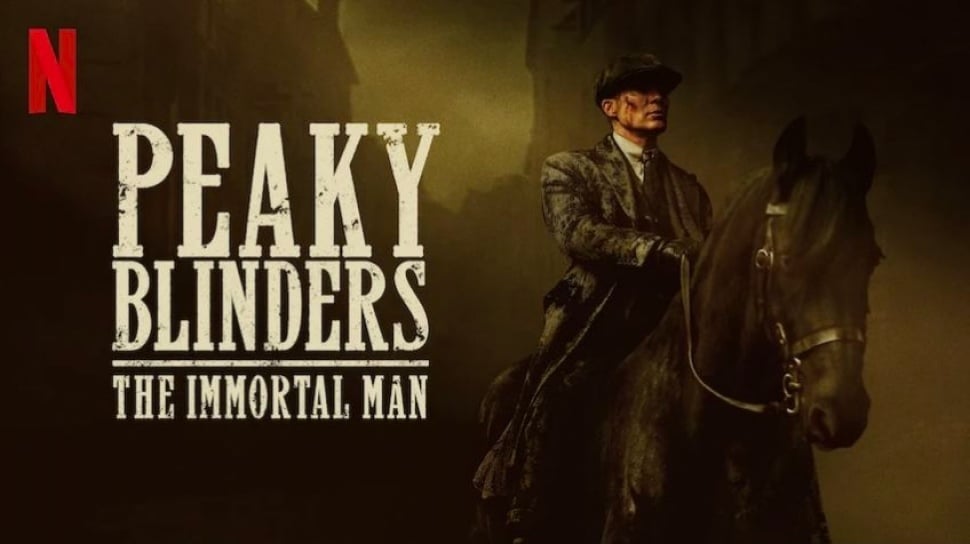
Peaky Blinders: The Immortal Man Review – Tommy Shelby’s Scorched-Earth Finale
The long-awaited cinematic conclusion to Steven Knight’s Birmingham odyssey has finally arrived. Peaky Blinders: The Immortal Man (2026) is not merely a feature-length episode; it is a brutal, high-stakes evolution of the Shelby legacy. Directed by Tom Harper—who returns to the franchise after helming several episodes in the show’s debut season—the film successfully bridges the gap between the gritty street-level brawls of Small Heath and the global devastation of World War II.
With an Academy Award now to his name, Cillian Murphy delivers a performance of haunting precision, proving that while Thomas Shelby may have tried to outrun his past, the ghosts of the Garrison Tavern have a long reach.
Peaky Blinders: The Immortal Man – Movie Overview
| Feature | Details |
| Director | Tom Harper |
| Writer | Steven Knight |
| Release Date | March 6, 2026 (Theaters) / March 20, 2026 (Netflix) |
| Runtime | 112 Minutes |
| Genre | Crime, Period Drama |
| Cast | Cillian Murphy, Barry Keoghan, Rebecca Ferguson, Tim Roth, Sophie Rundle, Stephen Graham |
Full Plot Synopsis: The Shelby Family at War
The year is 1940. Birmingham is no longer just a playground for the Peaky Blinders; it is a primary target of the Nazi Blitz. The film opens with Thomas Shelby (Cillian Murphy) living in a self-imposed, monastic exile following the events of the series finale. Haunted by the loss of Polly Gray and the weight of his own “immortality,” Tommy has sought peace in the wilderness.
However, the “Immortal Man” is pulled back into the fray when British Intelligence and the looming threat of fascism collide with his family’s survival. A new antagonist, played with sinister elegance by Tim Roth, represents a dark mirror to Tommy’s own political ambitions. As the bombs fall on Small Heath, the Shelby company finds itself tasked with a high-level espionage mission that could alter the course of the war.
The narrative introduces a generational shift, focusing heavily on Duke Shelby (Barry Keoghan), Tommy’s illegitimate son. Duke has inherited the “Shelby itch” for violence but lacks his father’s cold calculation. As Tommy navigates a web of conspiracy involving the British government and underground fascist sympathizers, he must decide if his legacy is worth saving or if the only way to protect his family is to burn the entire empire to the ground.
A Masterclass in Performance: Murphy and the New Guard
Cillian Murphy as Thomas Shelby
Murphy’s portrayal of Tommy Shelby has always been defined by what he doesn’t say. In The Immortal Man, his performance is more internal than ever. Having played the character for over a decade, Murphy brings a weary, almost spectral quality to the role. There is a profound sense of “too much life” in his eyes, fitting for a character who has survived multiple wars, assassinations, and his own self-destructive tendencies.
The Newcomers: Keoghan, Ferguson, and Roth
-
Barry Keoghan: Taking over the role of Duke with a feral intensity, Keoghan is the film’s standout. He provides the kinetic energy that a wartime setting demands, acting as the bridge between the old Peaky Blinders and the uncertain future.
-
Rebecca Ferguson: Her role adds a layer of sophisticated mystery. Ferguson plays a high-society figure with ties to the intelligence community, offering a sharp, intellectual foil to the more visceral Shelby violence.
-
Tim Roth: As the primary antagonist, Roth avoids the scenery-chewing tropes of past villains. Instead, he presents a quiet, bureaucratic evil that feels chillingly grounded in the historical reality of 1940s England.
Direction and Visuals: A Cinematic Gear Shift
Director Tom Harper and cinematographer George Steel elevate the visual language of the series to meet the demands of the big screen. The “Peaky” aesthetic—slow-motion walks, fire-lit silhouettes, and heavy smoke—is present, but it is expanded by the scale of World War II.
The recreation of a bombed-out Birmingham is harrowing. The contrast between the industrial grime of the Shelby factories and the terrifying beauty of the night sky during an air raid is expertly handled. This isn’t just a gangster movie; it’s a war film seen through a narrow, jagged lens.
The Sound of Small Heath
The soundtrack remains a vital character. Eschewing a traditional orchestral score for the show’s signature contemporary rock influences, the film features haunting arrangements that underscore Tommy’s mental state. The sound design during the action sequences is visceral, making every gunshot and explosion feel personal rather than spectacular.
Strengths and Weaknesses
Strengths
-
Historical Integration: The transition into WWII feels organic, using the historical context to heighten the personal stakes for the characters.
-
Generational Depth: The relationship between Tommy and Duke provides the emotional core that the film needs to justify its existence as a sequel.
-
Technical Excellence: The 112-minute runtime is lean, avoiding the “bloat” often found in series-to-film adaptations.
Weaknesses
-
Supporting Cast Density: With so many returning characters (Ada, Hayden Stagg, Johnny Dogs), some fan favorites are relegated to brief cameos that may leave some viewers wanting more.
-
Tone: The film is relentlessly bleak. While consistent with the series, the lack of levity may be taxing for casual viewers.
Final Verdict: A Worthy Swan Song
Peaky Blinders: The Immortal Man is a rare example of a television-to-film transition that feels essential. It provides a definitive punctuation mark to Thomas Shelby’s journey while cleverly planting the seeds for future stories in the “Peaky” universe. Steven Knight has delivered a script that honors the fans without relying solely on nostalgia.
It is a bloody, poetic, and ultimately satisfying conclusion to one of the most iconic crime sagas of the 21st century.