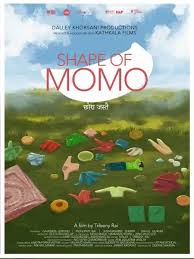
Shape of Momo (2026) Movie: Tribeny Rai’s Acclaimed Himalayan Drama Redefines Contemporary Indian Cinema
Shape of Momo (2026) is one of the most celebrated independent films to emerge from the Indian and Nepali-language film landscape in recent years. Directed by Tribeny Rai in her feature directorial debut, the drama has earned international recognition for its emotionally layered storytelling, powerful performances, and thoughtful exploration of gender expectations within a Himalayan community.
Following an impressive festival run across major international film events, Shape of Momo arrived in theaters on May 29, 2026, introducing wider audiences to a moving story about identity, family, and resistance against deeply rooted patriarchal traditions.
Shape of Momo (2026) Movie Overview
| Movie Title | Shape of Momo |
|---|---|
| Release Year | 2026 |
| Director | Tribeny Rai |
| Genre | Drama, Family |
| Language | Nepali |
| Runtime | Approximately 115–120 minutes |
| Lead Cast | Gaumaya Gurung, Pashupati Rai, Shyama Shree Sherpa |
| Country | India, Nepal |
| Release Date | May 29, 2026 |
| Production Companies | Dalley Khorsani Productions, Kathkala Films |
| Distributor | Celluloid Dreams |
What Is Shape of Momo About?
Set against the breathtaking landscapes of Sikkim and the Himalayan region, Shape of Momo follows Bishnu, a woman who leaves behind her urban life and returns to her ancestral village after quitting her job in Delhi.
What initially appears to be a homecoming gradually transforms into a profound confrontation with the realities of her family and community. Bishnu finds herself surrounded by generations of women whose lives have been shaped by silence, sacrifice, and societal expectations. Her grandmother dreams of escape, her mother endures life without complaint, and her sister struggles with the pressures imposed by marriage and motherhood.
As Bishnu reconnects with her roots, she begins questioning traditions that have long dictated the roles of women in her community. Her growing resistance sparks tensions within the family while also opening possibilities for change.
The film uses the symbolic image of a momo, a beloved dumpling common throughout the Himalayan region, as a metaphor for the unrealistic expectations placed upon women. Just as every momo is expected to have a perfect shape, women in the story are pressured to conform to rigid social standards.
Tribeny Rai’s Directorial Debut Impresses Critics
One of the most remarkable aspects of Shape of Momo is the confidence with which Tribeny Rai handles complex themes in her first feature film.
Rather than relying on dramatic confrontations or overt political statements, Rai crafts a narrative built on subtle emotional shifts and everyday interactions. The result is a film that feels deeply authentic while remaining universally relatable.
Her direction highlights the contradictions of modern life in rural Himalayan communities, where tradition and progress often exist side by side. Through Bishnu’s journey, Rai explores what it means to belong to a place while simultaneously feeling constrained by it.
The filmmaker’s personal connection to the material gives the story a sense of intimacy rarely seen in contemporary dramas.
Gaumaya Gurung Delivers a Powerful Lead Performance
At the center of the film is Gaumaya Gurung’s nuanced portrayal of Bishnu.
Rather than presenting the character as a flawless hero, Gurung embraces Bishnu’s contradictions. She is ambitious yet uncertain, compassionate yet judgmental, and determined yet vulnerable. These complexities make her journey feel genuine and emotionally engaging.
The supporting cast also contributes significantly to the film’s impact.
Pashupati Rai
Pashupati Rai delivers a restrained yet deeply affecting performance as Bishnu’s mother. Her portrayal captures the quiet resilience of a woman who has spent years navigating expectations without openly challenging them.
Shyama Shree Sherpa
Shyama Shree Sherpa adds emotional depth through her portrayal of Bishnu’s sister, whose struggles reflect another dimension of womanhood within the community.
Together, the ensemble creates a convincing portrait of a family shaped by both love and generational conflict.
Themes Explored in Shape of Momo
Gender Expectations
The film’s primary focus is the societal pressure placed on women to conform to predetermined roles. Through multiple generations of female characters, Shape of Momo examines how these expectations evolve while continuing to influence daily life.
Identity and Belonging
Bishnu’s return from Delhi raises questions about identity, migration, and the search for belonging. Having experienced life outside her village, she struggles to reconcile her personal ambitions with traditional expectations.
Family Dynamics
The relationships between mothers, daughters, sisters, and grandmothers form the emotional foundation of the story. The film explores how family can simultaneously provide support and impose limitations.
Tradition Versus Change
Rather than portraying tradition as entirely negative, the film examines the complexity of cultural inheritance. It asks whether meaningful change can occur without completely abandoning the past.
Visual Style and Cinematography
The mountainous landscapes of Sikkim play an essential role in the storytelling.
The cinematography captures both the beauty and isolation of the region, creating a vivid sense of place that enhances the emotional weight of the narrative. Mist-covered hills, winding roads, and traditional homes become more than just backdrops; they reflect the characters’ internal struggles and aspirations.
The film’s visual language emphasizes realism and naturalism, allowing audiences to immerse themselves in the everyday lives of the characters.
International Festival Success
Before its theatrical release, Shape of Momo built significant momentum through its festival circuit appearances.
The film attracted attention at major international festivals, earning praise for its sensitive storytelling and distinctive regional perspective. Critics highlighted its ability to address local issues while resonating with global audiences.
Its success helped bring greater visibility to filmmakers from India’s northeastern and Himalayan regions, areas that remain underrepresented in mainstream cinema.
Why Shape of Momo Stands Out in 2026
In an era dominated by large-scale commercial productions, Shape of Momo demonstrates the enduring power of intimate storytelling.
The film does not rely on spectacle or sensationalism. Instead, it succeeds through carefully observed characters, emotional honesty, and a willingness to engage with difficult social realities.
Its strength lies in presenting personal experiences as reflections of broader societal issues. The result is a drama that feels both deeply specific and universally meaningful.
For viewers seeking thoughtful, character-driven cinema, Shape of Momo offers one of the most rewarding film experiences of 2026.
Critical Reception
Critics have largely praised the film for its mature screenplay, assured direction, and compelling performances.
Many reviews highlighted Tribeny Rai’s ability to balance social commentary with emotional storytelling. Rather than turning its themes into lectures, the film allows audiences to experience them through the perspectives of its richly developed characters.
The performances, particularly those of Gaumaya Gurung and Pashupati Rai, received widespread acclaim for their authenticity and emotional depth.
The film’s thoughtful pacing and layered narrative have also been recognized as major strengths.
Final Verdict
Shape of Momo (2026) is a beautifully crafted drama that explores family, identity, and gender expectations with remarkable sensitivity. Tribeny Rai’s debut feature showcases a distinctive cinematic voice while offering a powerful examination of contemporary life in the Himalayan region.
Anchored by strong performances and emotionally resonant storytelling, the film stands as one of the most significant independent releases of the year. Its exploration of women’s experiences, generational conflict, and personal freedom ensures that its themes remain relevant far beyond its cultural setting.
For audiences who appreciate meaningful cinema rooted in human experience, Shape of Momo is an unforgettable and thought-provoking achievement.
Review Schema
{
  "@context": "https://schema.org",
  "@type": "Review",
  "itemReviewed": {
    "@type": "Movie",
    "name": "Shape of Momo",
    "datePublished": "2026-05-29",
    "genre": ["Drama", "Family"],
    "director": {
      "@type": "Person",
      "name": "Tribeny Rai"
    },
    "actor": [
      {
        "@type": "Person",
        "name": "Gaumaya Gurung"
      },
      {
        "@type": "Person",
        "name": "Pashupati Rai"
      },
      {
        "@type": "Person",
        "name": "Shyama Shree Sherpa"
      }
    ]
  },
  "reviewRating": {
    "@type": "Rating",
    "ratingValue": "4.5",
    "bestRating": "5"
  },
  "author": {
    "@type": "Organization",
    "name": "Editorial Review"
  },
  "reviewBody": "Shape of Momo is a moving and beautifully observed drama that examines gender expectations, family dynamics, and identity through the experiences of women in a Himalayan community. Tribeny Rai's assured direction and the film's strong performances make it one of the standout independent films of 2026."
}