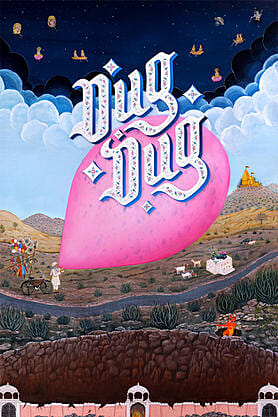
Dug Dug (2026): Ritwik Pareek’s Bold Satirical Drama Explores Faith, Myth, and Modern India
Indian independent cinema continues to push creative boundaries in 2026, and Dug Dug stands out as one of the year’s most intriguing releases. Directed by debut filmmaker Ritwik Pareek, the Hindi-language comedy-drama-satire combines absurdist storytelling with sharp social commentary to examine blind faith, commercialization, and the psychology of belief.
Backed by prominent filmmakers including Anurag Kashyap, Vikramaditya Motwane, Nikkhil Advani, and Vasan Bala as executive producers, Dug Dug arrives after a successful festival circuit run and has quickly gained attention for its unique premise, visual style, and layered storytelling.
Dug Dug (2026) Movie Overview
| Detail | Information |
|---|---|
| Movie Title | Dug Dug |
| Release Year | 2026 |
| Genre | Comedy, Drama, Satire, Mystery |
| Language | Hindi |
| Director | Ritwik Pareek |
| Writer | Ritwik Pareek |
| Runtime | Approx. 1 hour 45 minutes |
| Release Date | May 8, 2026 |
| Main Cast | Altaf Khan, Gaurav Soni, Yogendra Singh, Durga Lal Saini |
| Producers | Executive production support from Anurag Kashyap, Vikramaditya Motwane, Nikkhil Advani, and Vasan Bala |
What Is Dug Dug About?
Dug Dug is inspired by true incidents and folklore rooted in Rajasthan’s famous “Bullet Baba” legend. The film begins with the tragic death of a local alcoholic named Thakur after a motorcycle accident on a deserted highway. What initially appears to be a simple roadside tragedy soon transforms into something far stranger.
The dead man’s motorcycle repeatedly returns to the accident site despite being removed by authorities, leading villagers to believe the bike possesses divine powers. Rumors spread rapidly, and soon the motorcycle becomes an object of worship. Locals begin offering alcohol and prayers in exchange for blessings and miracles.
As stories of fulfilled wishes circulate, the phenomenon grows into a massive spiritual movement fueled by fear, desperation, superstition, and opportunism. What follows is a darkly comic exploration of how myths are created, commercialized, and exploited within society.
Ritwik Pareek’s Vision and Direction
For a debut feature, Ritwik Pareek demonstrates remarkable confidence and originality. Rather than presenting a straightforward social drama, Pareek uses satire and surreal humor to expose the absurdity surrounding blind faith and mass hysteria.
The film never fully mocks spirituality itself. Instead, it questions how people manipulate belief systems for power, money, and influence. Pareek’s direction balances comedy with unsettling realism, creating a cinematic experience that feels both entertaining and deeply reflective.
The storytelling style is unconventional, often blending exaggerated visuals with grounded emotional moments. This tonal mixture gives Dug Dug a distinct identity compared to mainstream Bollywood productions.
One of the film’s greatest strengths lies in its refusal to offer easy answers. The audience is constantly forced to decide whether the miracles are genuine, coincidental, or entirely fabricated by collective psychology.
Performances and Cast Analysis
Altaf Khan Delivers an Impressive Performance
Altaf Khan anchors the film with a natural and believable performance. Even though the character becomes more symbolic as the story unfolds, Khan’s presence remains central throughout the narrative.
His portrayal captures the contradictions of a flawed man who unexpectedly becomes the center of a spiritual movement after death.
Strong Supporting Cast
The supporting cast, including Gaurav Soni, Yogendra Singh, and Durga Lal Saini, adds authenticity to the rural setting. Their performances feel organic rather than theatrical, helping the satire remain grounded in realism.
The ensemble cast effectively portrays villagers, opportunists, believers, and skeptics without turning them into caricatures. This nuanced approach allows the film’s social commentary to resonate more powerfully.
Themes Explored in Dug Dug
Blind Faith and Collective Belief
At its core, Dug Dug examines how societies construct myths and religious narratives. The film shows how desperation and hope can transform ordinary objects into sacred symbols.
The motorcycle itself becomes a metaphor for how belief systems gain power through repetition and emotional investment.
Commercialization of Religion
Another major theme is the commercialization of spirituality. Once the motorcycle shrine gains popularity, various individuals attempt to profit from it.
The film sharply critiques how religion can evolve into an industry driven by commerce rather than faith.
Media and Public Hysteria
Dug Dug also reflects on the role of public storytelling and rumor culture. As more people discuss the miracles surrounding the motorcycle, the legend grows beyond anyone’s control.
The film effectively portrays how narratives spread rapidly in modern society, especially when they promise hope or divine intervention.
Cinematography and Visual Style
One of the standout aspects of Dug Dug is its striking visual presentation. The cinematography captures Rajasthan’s landscapes with vibrant colors and textured realism.
The desert highways, village shrines, and nighttime sequences create an almost dreamlike atmosphere that perfectly complements the film’s surreal tone.
The camera work often emphasizes crowds, rituals, and chaotic gatherings, visually representing the growing madness surrounding the motorcycle cult.
Lighting and framing play a significant role in making ordinary locations appear mystical and unsettling at the same time.
Music and Sound Design
The soundscape in Dug Dug significantly enhances the storytelling experience. Traditional sounds, ambient noise, devotional chants, and folk-inspired music blend together to create an immersive atmosphere.
The background score avoids excessive melodrama and instead supports the film’s satirical edge. Certain scenes become particularly memorable because of the contrast between humorous visuals and haunting sound design.
The film’s title itself reflects the rhythmic sound associated with motorcycles, subtly reinforcing the central motif throughout the narrative.
Screenplay and Narrative Structure
Ritwik Pareek’s screenplay is ambitious and layered. The script moves between satire, mystery, comedy, and social critique without losing narrative coherence.
The pacing in the first half is particularly engaging as the central mystery develops gradually. The transformation of the motorcycle into a religious icon unfolds naturally and believably.
However, some viewers may find portions of the second half repetitive due to the recurring exploration of mass belief and ritualistic behavior. Despite this, the screenplay maintains enough thematic depth to keep audiences invested.
The dialogue feels authentic and grounded, especially during interactions between villagers and authority figures.
Strengths of Dug Dug
1. Unique Concept
Very few Indian films tackle the creation of modern myths with such originality and confidence.
2. Intelligent Social Commentary
The satire remains sharp without becoming preachy. The film encourages viewers to reflect rather than simply judge.
3. Strong Visual Identity
The cinematography and production design create a memorable cinematic atmosphere rarely seen in low-budget independent films.
4. Authentic Performances
The cast delivers naturalistic performances that strengthen the realism of the story.
5. Bold Directorial Debut
Ritwik Pareek establishes himself as a filmmaker willing to experiment with narrative structure and thematic complexity.
Weaknesses of Dug Dug
1. Uneven Pacing
Certain sections in the latter half feel slightly stretched, reducing the overall narrative momentum.
2. Limited Accessibility for Mainstream Audiences
Its surreal storytelling and slow-burning satire may not appeal to viewers expecting conventional commercial entertainment.
3. Repetitive Symbolism
Some themes and visual motifs are revisited too frequently, making parts of the film feel repetitive.
Why Dug Dug Matters in 2026 Indian Cinema
At a time when mainstream cinema often prioritizes spectacle over substance, Dug Dug represents a refreshing alternative. The film proves that independent Indian cinema continues to evolve creatively and thematically.
Its examination of faith, superstition, and social behavior feels highly relevant in today’s media-driven culture. By using humor and absurdity, the film manages to discuss serious societal issues without becoming overly heavy-handed.
The success of Dug Dug could also encourage greater support for experimental regional and independent filmmaking in India.
Final Verdict
Dug Dug is a daring, visually inventive, and thought-provoking satire that stands among the most distinctive Indian films of 2026. Ritwik Pareek’s debut feature successfully combines absurdist humor with meaningful social commentary, creating a film that entertains while provoking discussion.
Although the pacing occasionally falters, the originality of the concept, the strength of the performances, and the film’s thematic depth make it a compelling watch for audiences interested in intelligent cinema.
For viewers seeking unconventional storytelling and socially relevant satire, Dug Dug delivers a memorable cinematic experience that lingers long after the credits roll.